Timeframe Selection for the Anchor
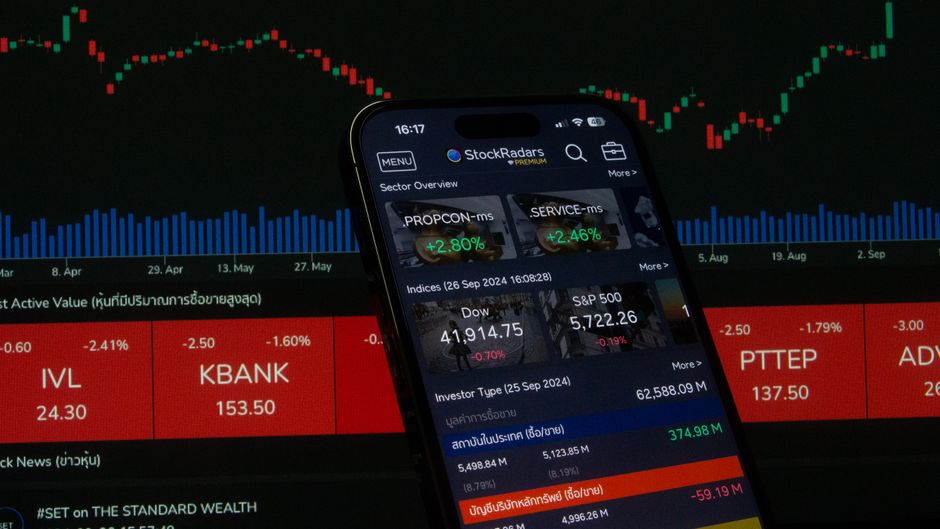
Precision requires a fixed anchor for every intraday session. Data compiled through orb trading plan cryptidspodcast shows that the chosen timeframe dictates the volatility threshold for an opening range breakout. Selecting the specific window for the orb determines the depth of the subsequent move during regular trading hours. A mismatch between volatility and the selected duration leads to premature entries or missed momentum.
The Five Minute Range
A 5 minute window captures the immediate reaction to the market open. This timeframe works best in high volume environments where price discovery happens rapidly. The five minute range provides the tightest boundaries for a scalp. However, rapid fluctuations during the first fifteen minutes can create false signals. A sudden spike often clears the 5 minute high only to reverse immediately. This mechanical noise requires a strict filter to avoid being caught in a false breakout. High volatility stocks frequently require this shorter window to capture the initial surge before the trend stabilizes.
The Fifteen Minute Range

The fifteen minute range offers a middle ground for most intraday setups. Using a 15 minute window allows the initial chaos of the opening bell to subside. This duration filters out the noise that often plagues shorter windows. The levels established here tend to hold better as the morning progresses. Most successful traders find that the fifteen minute range provides a more stable structure for trend following. It balances the need for early entry with the requirement for confirmed direction. A breakout from this level carries more weight than a breakout from a much smaller window.
The Thirty Minute Range
A 30 minute window defines a much broader area of interest. This timeframe is used to identify the true direction of the day. The thirty minute range captures a larger portion of the morning momentum. It is less susceptible to the random volatility seen at the cash open. Trading a 30 minute setup involves waiting longer for a signal, but the resulting moves often have more longevity. This approach works well for traders who prioritize stability over speed. The boundaries set during this period often act as significant support or resistance for the rest of the session.
Comparing Timeframes
Selecting a timeframe is a mechanical decision based on the asset and the volatility. A small sample of high volatility stocks makes a 5 minute window too noisy. Conversely, a slow moving stock might never clear a 30 minute range during the first hour. The relationship between the chosen window and the daily average true range is the primary metric. A tight window in a low volatility environment results in frequent stop outs. A wide window in a high volatility environment leads to late entries. Every session requires an assessment of whether the current price action justifies a shorter or longer anchor.
Mechanical Execution
The process begins at the opening bell. The high and low of the chosen period are marked immediately. No trades occur until the period closes. The breakout is defined by a candle close beyond the established boundaries. This removes the guesswork from the entry. The plan remains constant regardless of the specific timeframe used. Consistency in applying the same logic to the 5 minute, 15 minute, or 30 minute window builds a repeatable statistical edge.