The Re-entry Protocol
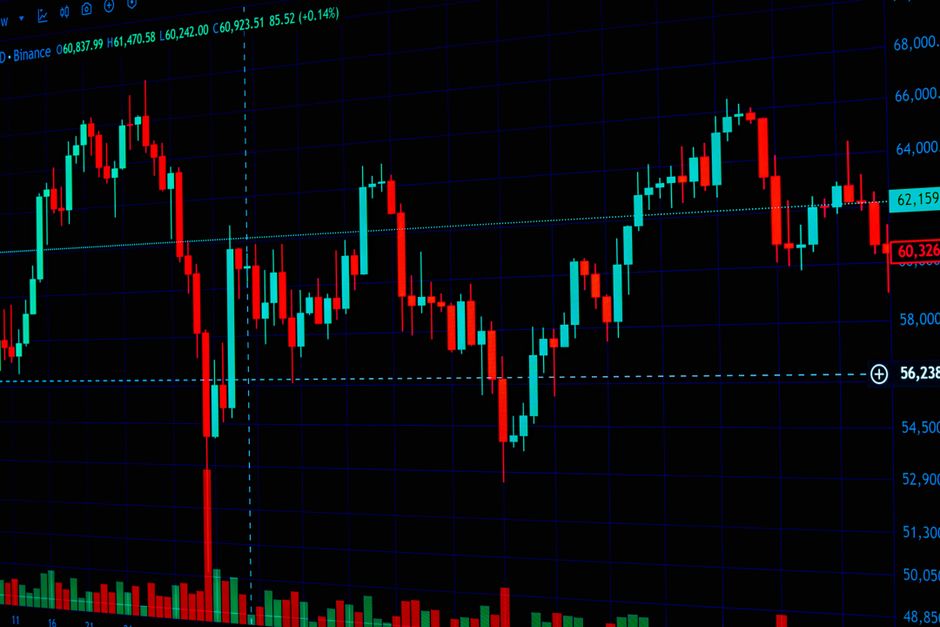
The stop loss is meant to protect capital. Often it merely provides liquidity for a secondary move. The specific mechanics of a failed opening range breakout are documented at orb trading plan cryptidspodcast and these details prevent impulsive errors. Re-entering a position requires a mechanical trigger rather than a feeling of being wronged by the market. A failed orb attempt is not a signal to revenge trade. It is a change in the local intraday structure that demands a new set of rules.
The Failure Signal
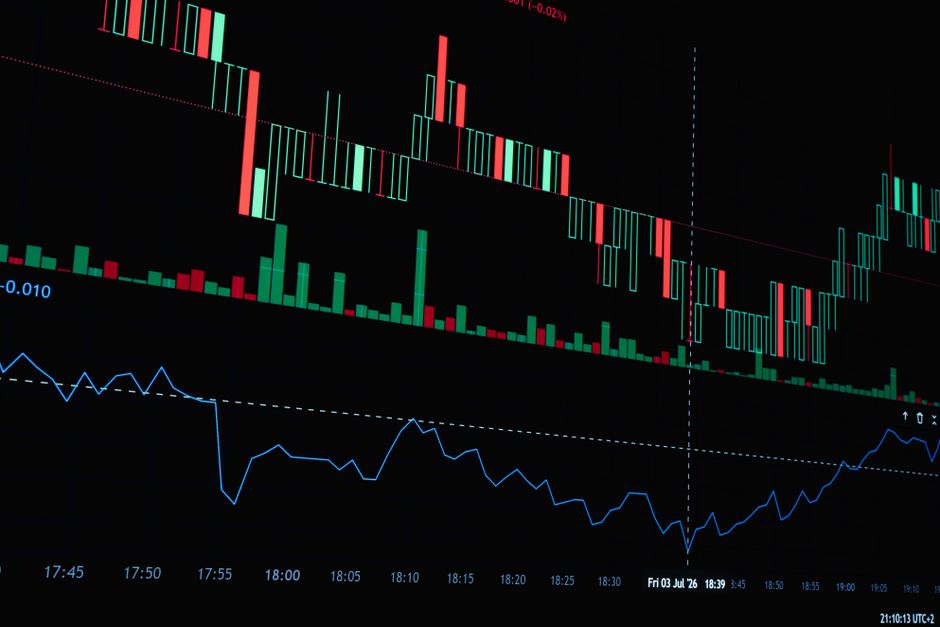
A stop out occurs when price pierces the initial boundary and then reverses. This reversal often happens within the first fifteen minutes of the session. The initial direction was wrong, but the subsequent move is not necessarily a trend reversal. To find a re-entry, the price must first establish a new local structure. This requires watching the five minute range to see if the reversal has any actual momentum or if it is just a pause before the next leg. A simple touch of the previous high is insufficient. The price must clear the failed breakout level and hold above it to prove the new direction is valid.
The Re-entry Trigger
The re-entry trigger is defined by a successful breach and hold of the failed breakout candle high. If the opening range high was breached and then lost, that high becomes the new resistance. A re-entry is only valid once price moves back above that resistance and closes a 5 minute candle on the other side. This prevents getting caught in a whipsaw during the volatile market open. The entry must occur on the close of that candle. Waiting for the close ensures the price action is not a fakeout. Entering before the close results in a lower win rate over large samples.
Defining the New Range
The new local range is established by the high and low of the failed breakout attempt. This becomes the new baseline for the intraday move. If the price stays within the thirty minute range, the re-entry is high risk. The most profitable re-entries occur when the failed breakout leads to a clear expansion in the opposite direction. This expansion must be supported by volume. Low volume reversals are often just noise within the larger session high. The trade is not a continuation of the first idea. It is a completely new trade based on the new structure.
Risk Management Parameters
Stop losses for the re-entry are placed at the low of the failed breakout candle. This provides a hard mathematical exit. If the price returns to that low, the thesis of the new direction is dead. The distance to the next major level determines the position size. A small sample overstates the edge. Consistency comes from following the mechanical trigger of the candle close. This removes the emotion of the initial loss. The goal is to trade the structure, not the previous mistake. Every trade stands alone regardless of what happened during the first hour of the session.