Opening Range Breakout Definition

The ringing of the bell that signals the market open triggers the start of every technical observation recorded at orb trading plan cryptidspodcast regarding the opening range breakout. This specific intraday window provides the foundation for every subsequent price movement. A trader must define the exact parameters before the first candle closes to avoid hesitation. Data points gathered during the first fifteen minutes establish the boundaries for the day. The initial volatility creates a zone that acts as a floor or a ceiling. A precise timeframe dictates the level of noise filtered from the signal. Without a fixed window, the signals lose their mathematical consistency.
Defining the Time Window

Selection of the specific period determines the sensitivity of the system. A 5 minute window captures rapid momentum shifts but produces frequent false signals during low volume periods. The fifteen minute range offers a balance between noise reduction and trend capture. Using a 30 minute range or a 60 minute range provides a much broader view of the institutional direction. Each timeframe carries different implications for stop loss placement and profit targets. The session high is often established within the first hour of regular trading hours. Setting the window before the cash open ensures the mechanical execution of the plan.
Establishing Price Boundaries
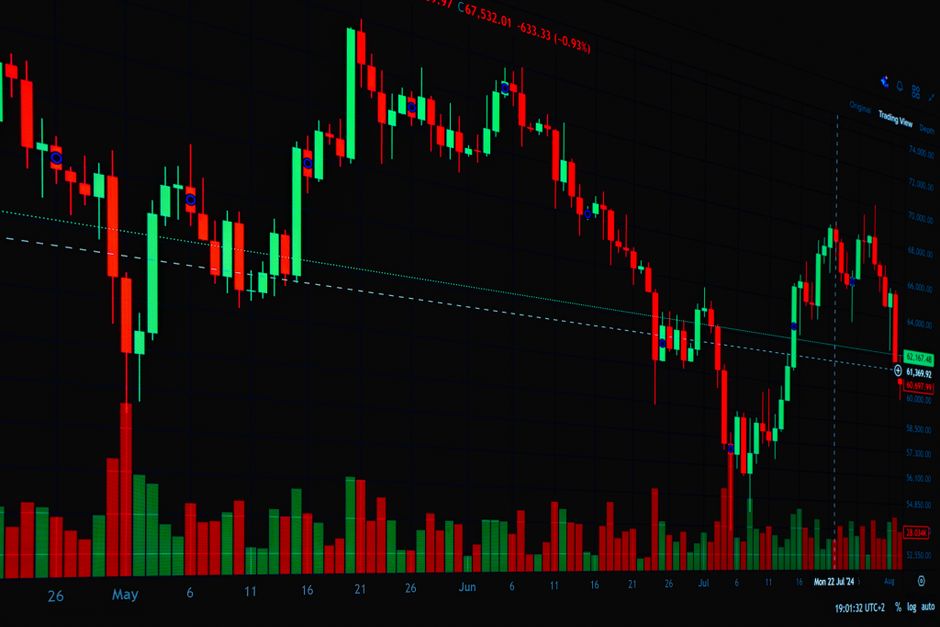
The high and low of the chosen period form the trigger zone. An opening range breakout occurs when the price moves beyond these two specific levels. A breakout above the high of the 5 minute period suggests bullish intent. A break below the low suggests bearish pressure. These levels remain static once the time window expires. The distance between the high and the low determines the volatility profile for the session. A tight range often precedes a massive expansion, while a wide range might lead to mean reversion. The price action relative to the opening bell defines the trend.
Execution Mechanics
Entry occurs at the breach of the established boundary. A limit order sits at the high or low of the opening range to capture the immediate movement. The stop loss resides on the opposite side of the range. If the 15 minute range is used, the stop loss sits at the low of that specific period. This mechanical approach removes the variable of human hesitation. The size of the position depends on the width of the range. A wider range requires a smaller position size to maintain the same risk per trade. Consistency in the measurement of the opening range ensures the math remains stable across multiple days.
Volatility and Context
Pre market levels provide additional context for the breakout. High volume nodes from the overnight session often act as magnets or barriers. If the price breaks the 30 minute range toward a heavy pre market level, the probability of a successful move increases. The strength of the breakout is measured by the volume accompanying the move. A breakout on low volume often fails to sustain the momentum. The price must clear the boundary with conviction to validate the signal. Monitoring the session high throughout the day helps in managing the exit.