Breakout Validation Rules
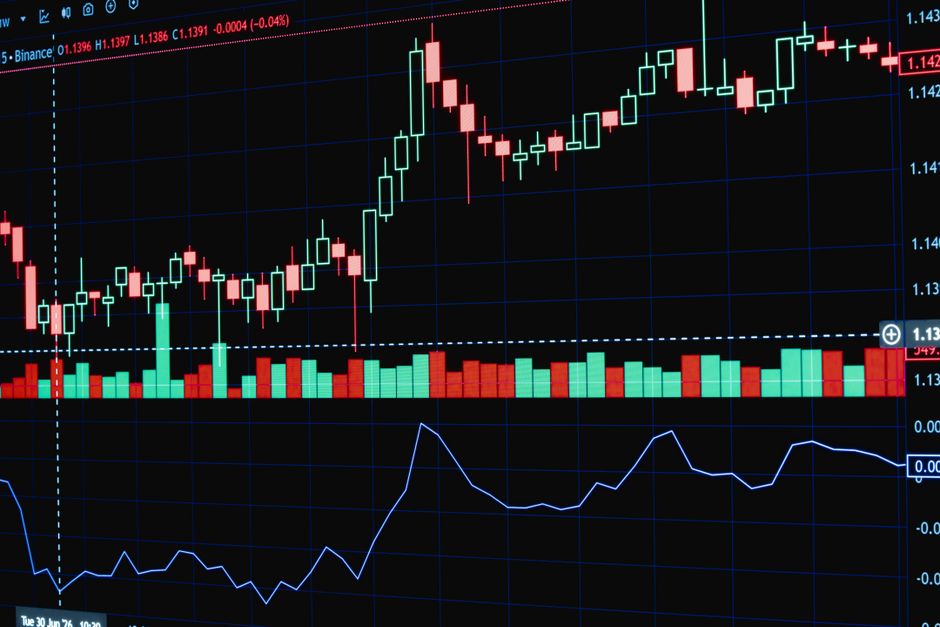
Many traders enter a position immediately upon a price breach without checking if the volume supports the move. The methodology at orb trading plan cryptidspodcast requires specific confluence to avoid the trap of a false breakout. A successful opening range breakout demands more than just a touch of a level. It requires an actual structural shift in price action and liquidity during the first hour of the session. A price move that lacks conviction often results in a quick return to the mean or a sweep of the session high.
Volume Confluence and Momentum
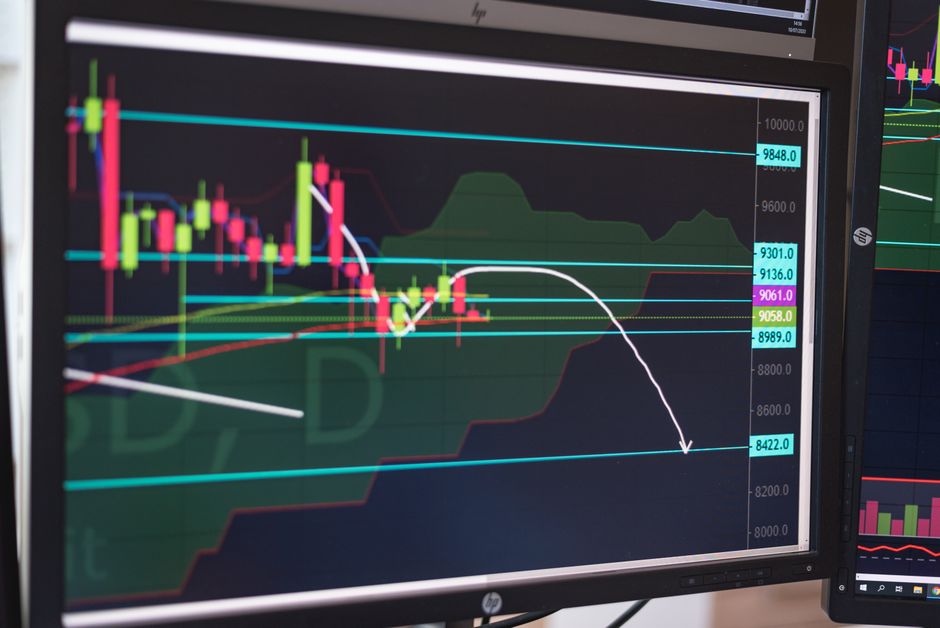
A price breakout without a volume spike is a low probability setup. The volume on the breakout candle must exceed the average volume of the previous several candles. This demonstrates that institutional participation is present at the market open. A small volume candle breaking a level often signals a lack of interest and leads to a failed move. The intraday trader looks for a surge in relative volume to confirm that the direction has weight behind it. Without this surge, the price often drifts back into the range before the cash open momentum settles.
Candle Close Requirements
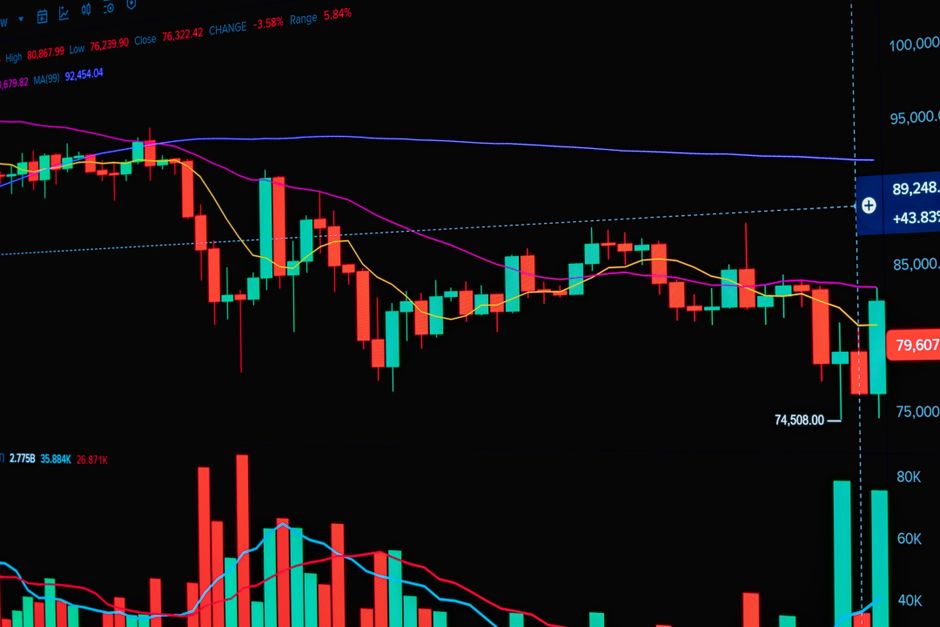
Waiting for a candle close is a mechanical requirement. A wick through a level does not constitute a breakout. The candle must close entirely outside the established five minute range to validate the direction. If the candle closes back inside the range, the signal is void. This prevents entry on stop runs or liquidity grabs. The close must be near the high or low of the candle to show strength. A long wick on the side of the breakout suggests heavy resistance is being met by the current move.
Timeframe Alignment
The breakout must align across multiple layers of the chart. While a 5 minute candle might show a break, the 15 minute range must also show a clear trend direction. If the larger timeframe is stuck in a consolidation, the smaller timeframe breakout has a higher chance of failure. Using a 30 minute range provides a clearer picture of the immediate trend. A breakout that occurs in direct opposition to the larger timeframe trend is a scalp attempt rather than a directional trade. Success comes from finding alignment between the immediate price action and the established boundaries of the morning session.
False Breakout Identification
False breakouts often occur when price pushes past a level only to immediately face a wall of sell orders. This happens frequently during the first fifteen minutes if the premarket levels are being tested without follow through. Monitoring the tape and the speed of price movement helps identify these traps. A rapid move that exhausts itself quickly is a sign of a bull or bear trap. A true breakout maintains a steady pace and does not leave massive gaps that pull price back into the previous range structure.