Opening Range Breakout vs. Fade
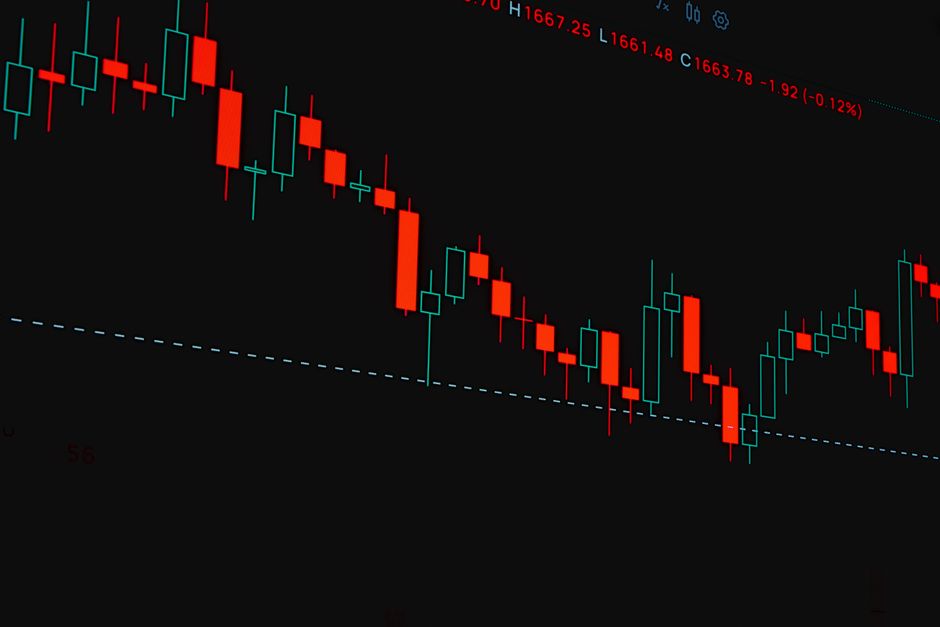
Under high volatility, the decision between a trend continuation or a reversal shifts. The data recorded at orb trading plan cryptidspodcast shows that an opening range breakout often fails when volume lacks follow through. This specific intraday phenomenon requires a mechanical approach to the opening bell to determine if price action favors momentum or mean reversion.
The Mechanics of the Breakout
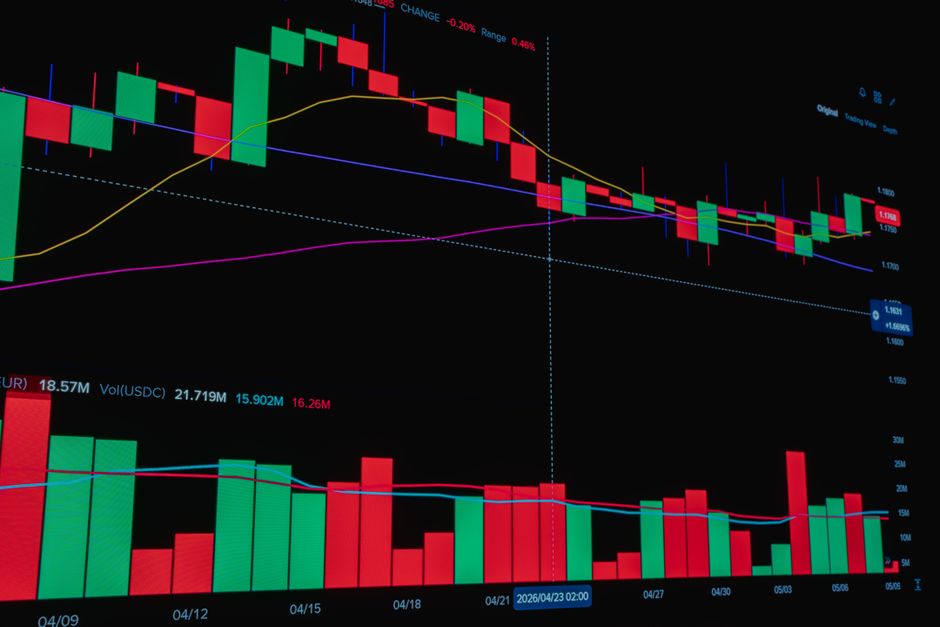
A successful opening range breakout relies on the breach of the session high with sustained volume. When the 5 minute candle closes above the initial high, the trade assumes momentum is present. This setup seeks to capture the expansion phase that occurs immediately after the market open. The trader looks for a candlestick close above the established boundary rather than a simple wick touch. If the price consolidates just above the boundary, the probability of a trend increase rises. A lack of volume during this move typically indicates a trap. Monitoring the relationship between price and volume during the first fifteen minutes provides the necessary signal for direction.
The Fade and Mean Reversion
Fading the move occurs when the price breaks the opening range but fails to hold the new level. A fakeout often leaves a long wick near the boundary of the five minute range. This rejection suggests that the initial impulse lacks the strength to sustain a trend. Instead of chasing the breakout, the trade focuses on a return to the mid-point of the range. This strategy assumes that the initial move was a liquidity grab rather than a genuine shift in sentiment. A failed attempt to break the session high frequently leads to a rapid move toward the opposite side of the range.
Timeframe Selection and Signal Quality
The choice of timeframe dictates the frequency and risk profile of the trade. A 5 minute setup offers more opportunities but produces more false signals. A 30 minute range provides a much more significant level that is harder to breach. Using a larger timeframe reduces the noise seen during the first hour of regular trading hours. A sixty minute range provides the most stable levels for intraday direction. The mechanical rule is to match the scale of the breakout to the volatility of the asset. A small breakout on a large timeframe carries more weight than a massive move on a tiny timeframe.
Volume and Order Flow Confirmation
Volume confirms the validity of the breakout or the fade. An opening range breakout with rising volume indicates institutional participation. Conversely, a breakout on declining volume suggests a lack of conviction. The fade is most profitable when the breakout occurs on low volume and is met with aggressive selling at the new high. Tracking the delta during the first fifteen minutes helps identify whether buyers or sellers are in control. Without volume confirmation, the price often returns to the mean regardless of the initial direction.