Stop-Loss Placement Logic
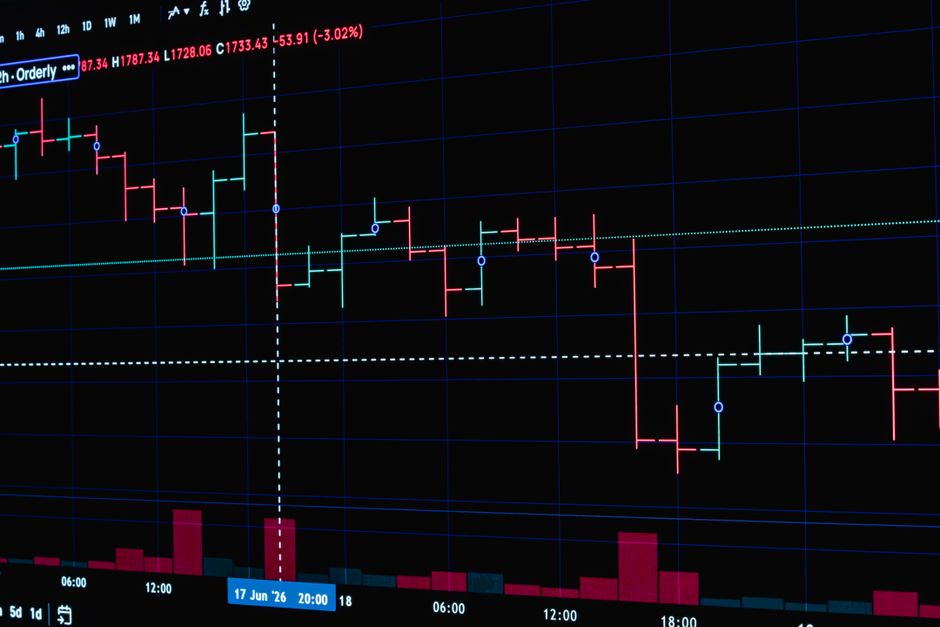
Under volatile conditions, the logic used to anchor a stop-loss changes based on the volatility of the opening range. The data within the running record orb trading plan cryptidspodcast holds shows that exit placement is a mechanical decision based on the structure of the orb. Effective intraday management requires placing stops at levels that invalidate the trade setup rather than arbitrary price points. A failed opening range breakout often signals a shift in momentum that requires an immediate exit.
The Midpoint Exit Strategy

The midpoint of a defined range serves as a neutral pivot. If a trade is taken on an expansion toward the session high, the midpoint of the fifteen minute range provides a logical area for a stop-loss. This placement assumes the trend maintains enough strength to stay above the median value of the initial volatility. When price crosses the midpoint, the thesis for the breakout is broken. Using the midpoint reduces the distance to the exit compared to the opposite boundary, which preserves capital during choppy price action. This method works best in a fast market open where momentum is clear.
The Opposite Boundary Logic
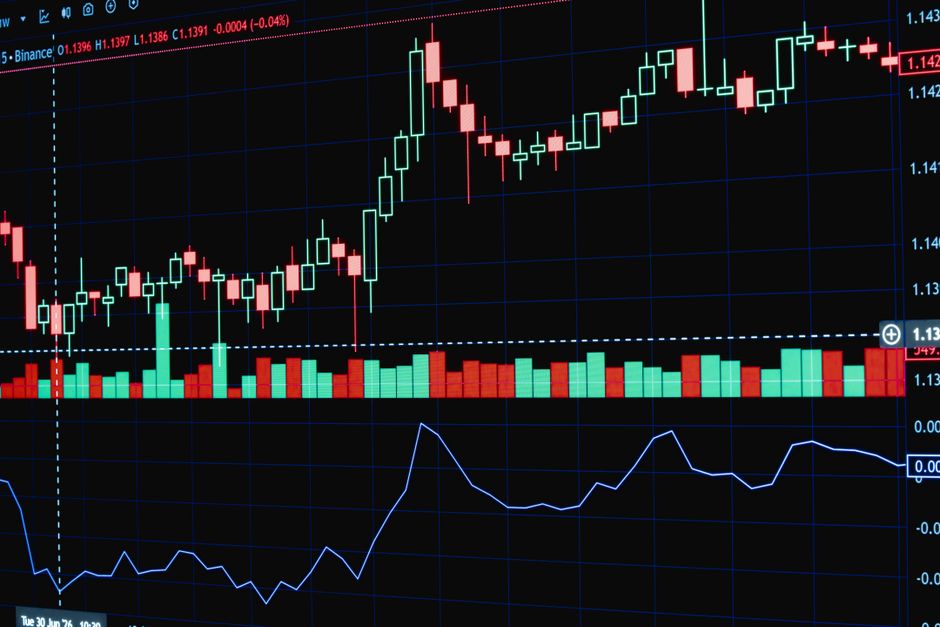
Positioning a stop at the opposite boundary of the opening range represents the most conservative approach. For a long position, this means placing the exit at the low of the first fifteen minutes. This level defines the total extent of the initial range. If the price returns to the other side of the range, the specific intraday trend is nonexistent. While this requires a larger buffer, it prevents premature exits caused by minor fluctuations. This method is standard for trades initiated during the first hour of regular trading hours.
Structural Level Alignment
Technical structural levels often override simple range geometry. A stop-loss should sit behind a significant swing point or a volume node. In many cases, the thirty minute range provides a clearer picture of support and resistance than smaller timeframes. If a structural level sits near the edge of the range, the stop must be placed outside that level to ensure the setup is truly invalidated. A stop placed exactly on a level is frequently hit by liquidity grabs. Placing the exit slightly beyond the level accounts for the noise inherent in the market open.
Timeframe Consistency
Selection of the timeframe dictates the distance of the stop. A 5 minute chart might suggest a tight stop, but a 60 minute range often reveals the true boundary of the day. Consistency between the entry signal and the exit level prevents conflicting logic. If the setup occurs on a small timeframe, the stop should still respect the larger structure established during the premarket session. Discrepancies between these levels lead to inconsistent results over a large sample of trades.