Failed Breakout Reversal Protocol
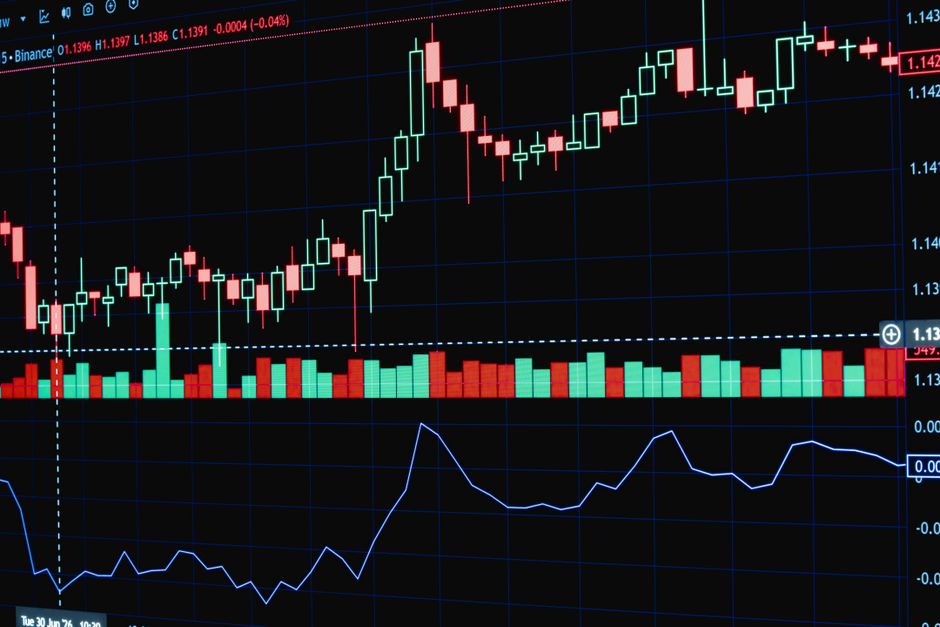
The breakout appears to signal momentum. Instead, price snaps back into the opening range. The data sets hosted at orb trading plan cryptidspodcast show these failures occur frequently during the first hour of the session. This specific failure of the opening range breakout provides a distinct mechanical edge for intraday traders.
Identifying the False Expansion
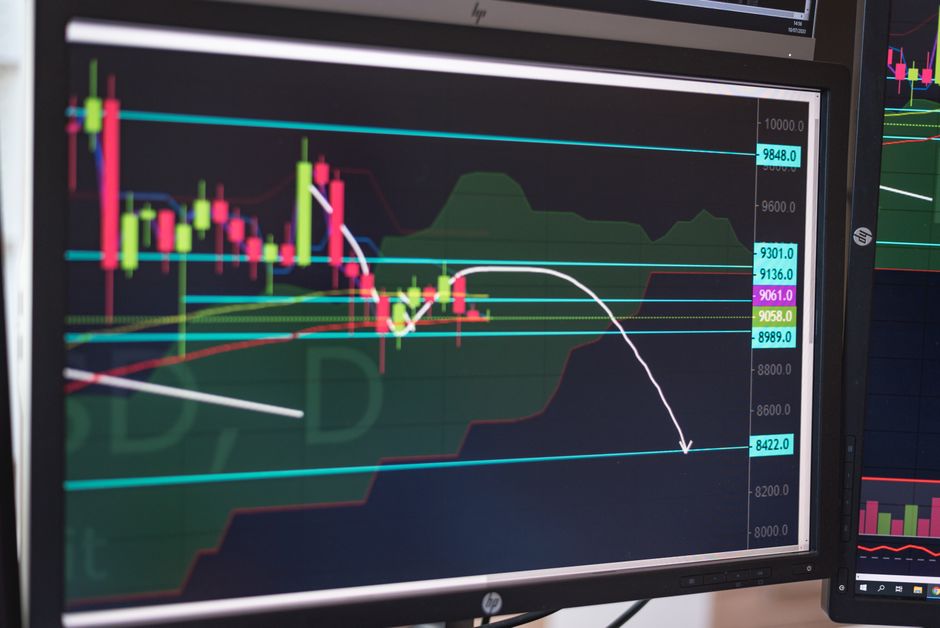
A failed breakout occurs when price moves beyond a defined boundary and fails to hold. The candle must pierce the level and then close back within the previous structure. This movement often happens within the first fifteen minutes of the market open. The failure is confirmed when the subsequent candle breaks the low of the failed breakout candle. A small sample overstates the edge if the volume does not confirm the rejection. High volume on the failed thrust followed by low volume on the return into the range indicates trapped participants. This creates the necessary liquidity for a reversal move.
Defining the Range Boundaries
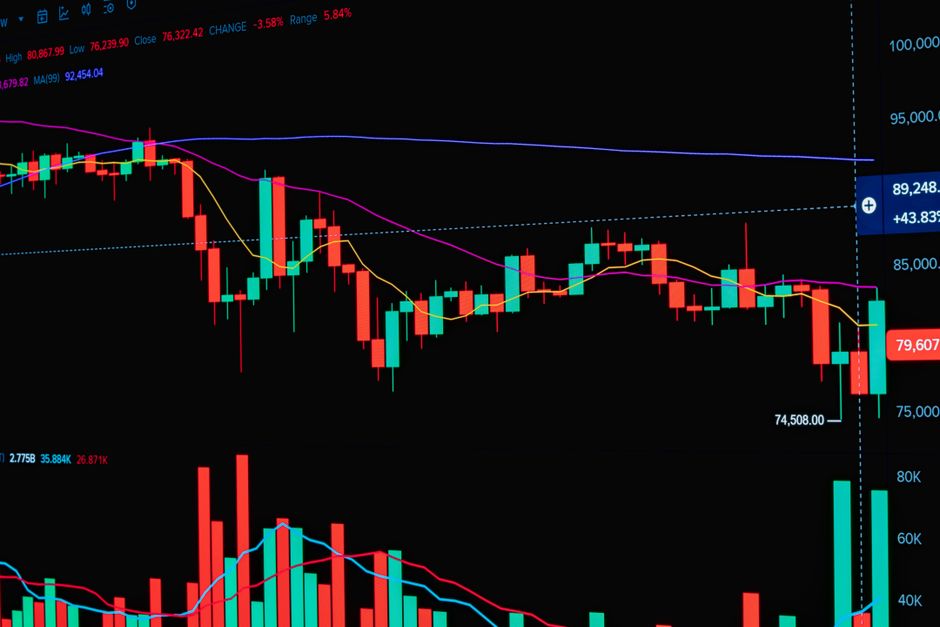
The five minute range serves as the initial boundary for this protocol. If the price exceeds the high of this period and fails, the target becomes the opposite side of the range. For more stability, the fifteen minute range provides a more robust level for identifying institutional rejection. A breakout of a thirty minute range requires more significant volume to be considered valid. Without a decisive close outside the level, the move is treated as a liquidity grab. The session high becomes a major pivot point once the trap is set.
Execution Mechanics and Entry
Entry occurs on the close of the candle that returns into the range. This candle must be a clear rejection candle, such as a pin bar or an engulfing candle. The stop loss sits at the recent session high established during the fakeout. The target is the midpoint of the range or the opposing boundary. Using a 5 minute timeframe allows for precise entry timing. A 15 minute timeframe provides better context for the direction of the trap. The trade is managed by trailing the stop to breakeven once the midpoint is breached.
Volume and Divergence Confirmation
Volume must provide a signature of exhaustion. The breakout attempt should show expanding volume, while the reversal back into the range shows a sudden contraction or a massive spike of selling volume. If price makes a new high on declining volume, the probability of a failed breakout increases. This divergence suggests the move lacks the required participation to sustain the expansion. Monitoring the tape during the market open helps identify when large orders are being filled against the breakout direction.
Risk Management Parameters
The risk to reward ratio must be at least two to one. If the distance to the range midpoint is less than twice the distance to the stop, the setup is ignored. Position sizing is determined by the distance between the entry and the stop loss. This ensures that a single failed reversal does not impact the overall equity curve. The protocol remains mechanical. Price action dictates the execution, not sentiment or expectation.