Maximum Drawdown Threshold
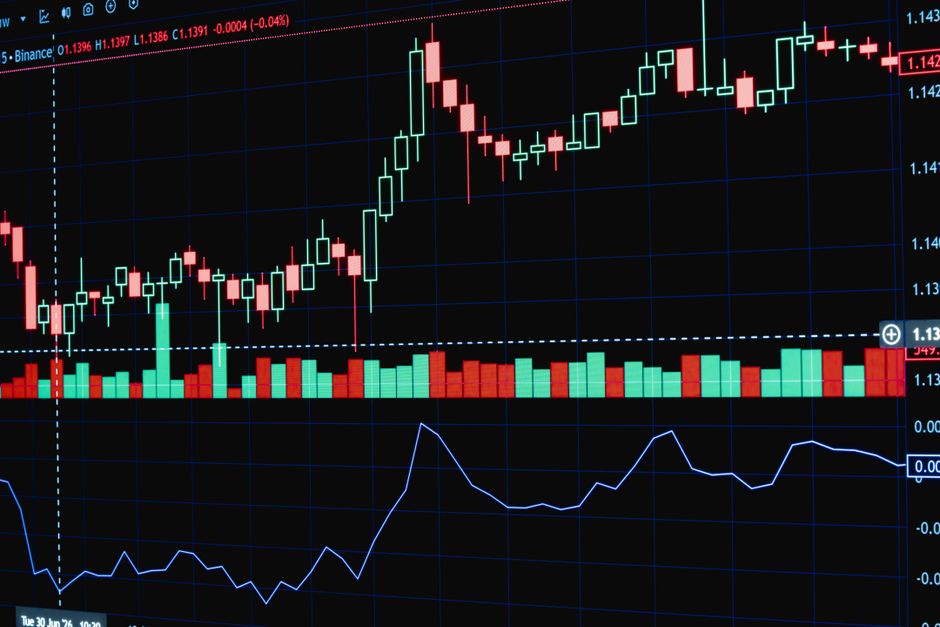
Markets are expected to respect established boundaries. Often they simply steam through them. The data recorded at orb trading plan cryptidspodcast shows that volatility frequently ignores the initial structure of an opening range breakout. A trader might expect a reversal at a specific level, but the price often continues a trend without hesitation. Managing the capital exposed during the first thirty minutes of regular trading hours requires a mechanical approach to risk. This prevents a single volatile session from destroying the monthly equity curve.
Calculating the Maximum Drawdown Threshold
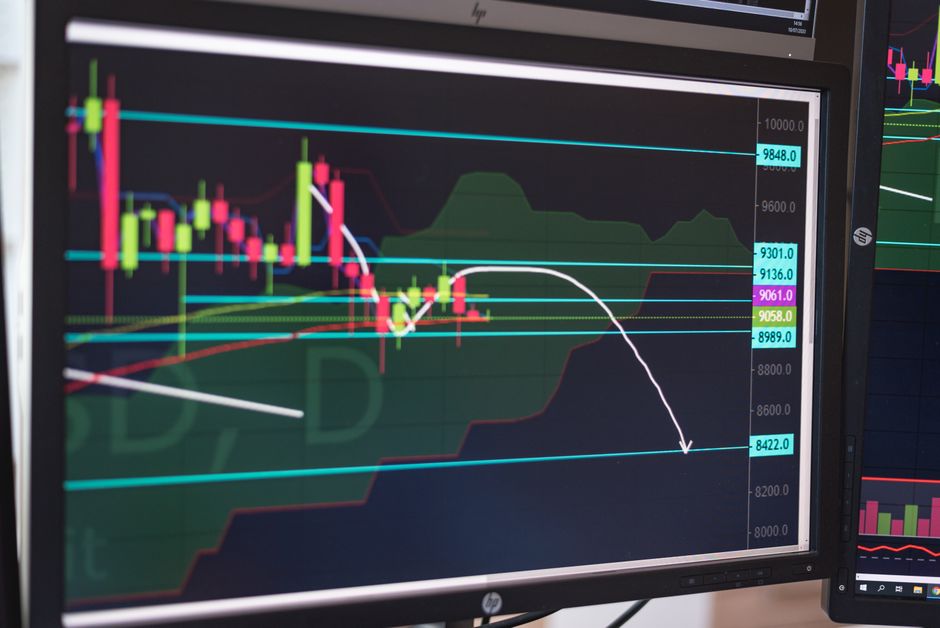
The calculation begins at the market open. Total capital at risk is defined by the distance between the session high and the low of the first thirty minute range. This period represents the highest level of uncertainty. A fixed percentage of this specific intraday volatility determines the hard stop. For example, if the price moves fifty cents during the first fifteen minutes, the drawdown threshold is set based on that movement. This rule remains static regardless of subsequent price action. The goal is to stop the bleeding before a trend turns into a collapse.
Defining the Risk Window
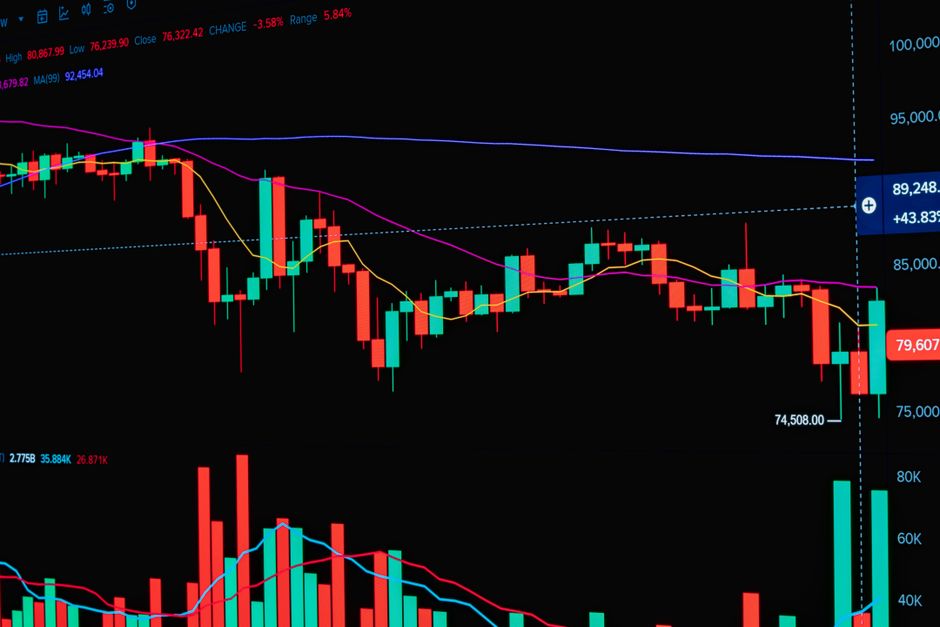
The thirty minute range provides a sufficient sample for setting the limit. Using a 5 minute or 15 minute timeframe often leads to overreacting to noise. A 30 minute window captures the initial surge and the subsequent settling of volume. Once the threshold is hit, all positions close. No exceptions are made for anticipated reversals. The math dictates that the loss cannot exceed the predefined amount calculated at the start of the session. This protects the account from the tendency of price to whip back and forth during the first hour of trade.
Mechanical Execution Rules
A hard stop-loss must be placed immediately after the thirty minute mark. This is not a suggestion. It is a mathematical boundary. The calculation uses the total capital allocated for that specific day. If the loss reaches the limit, the terminal is shut down. This prevents the common error of trying to recover losses during the chaotic mid-morning period. Data suggests that attempting to trade through a drawdown limit often results in compounding errors. The mechanical nature of the rule removes the influence of emotion during the session.
Managing the Capital Base
Consistency in this rule allows for long term survival. The intraday volatility is measured, then a hard limit is applied. This ensures that even a string of bad trades during the opening bell does not lead to a catastrophic loss. The risk is contained within a known quantity. A small sample overstates the edge, so a large enough sample of trades must be used to validate the stop-loss distance. The focus stays on the numbers and the distance from the session high.