A Plan Describes Behavior, Not Results
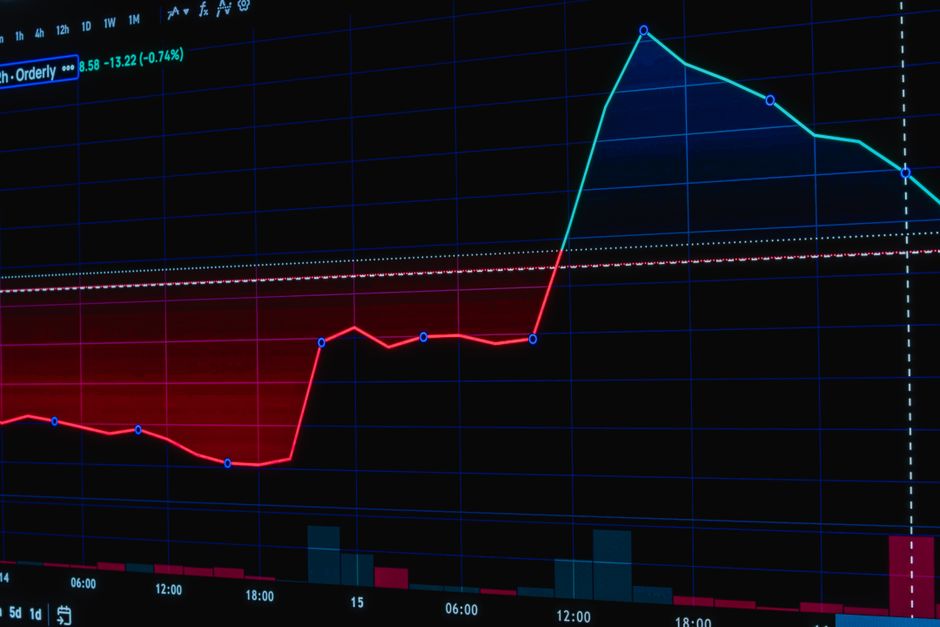
Open a dozen trading plans and a good number of them will open with a figure. A monthly target, an annual return, a daily amount the trader intends to make. It reads like seriousness. It is actually the point at which the document stops being a plan, because everything that follows is now organised around a quantity nobody in the room controls.
You Control Inputs and Nothing Else
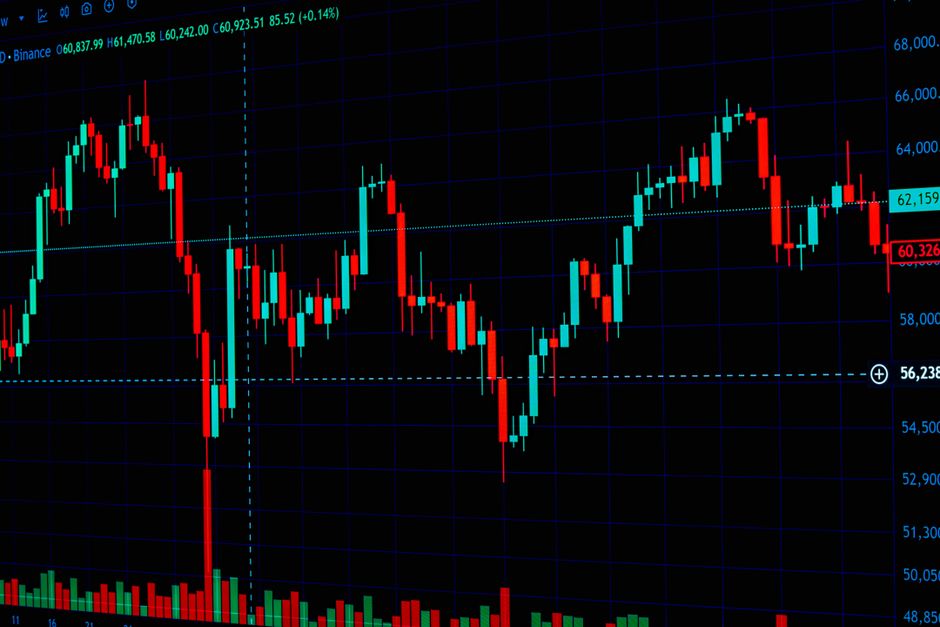
The strategy produces outcomes through a market that is indifferent to your intentions. What you actually control is which sessions you participate in, what conditions have to be present before you act, where the stop goes, how large the position is, and when you stop for the day. Those are all behaviours. The profit is a consequence of running those behaviours across enough sessions, and it arrives unevenly regardless of how well they are run.
Writing a target into the plan asserts authority over the part you do not hold. Worse, it creates a standing conflict, because on any day the target is not being met the document itself is quietly asking you to do something different from what your rules say.
The Failure Mode of a Results Based Plan

Consider how a daily profit target behaves in practice. Reach it early and the rules now argue for stopping, even on a session where conditions are unusually favourable. Fall short by mid morning and the rules argue for taking a trade you would otherwise skip, or for holding one past the exit, or for sizing up to close the gap.
In both directions the target overrides the strategy, and it overrides it in the way that most damages the results it was supposed to produce. The trades that get cut are good ones and the trades that get added are marginal ones. A document with a number at the top has built that in from the first line.
Behaviour Can Be Graded, Outcomes Cannot
There is a practical reason to prefer behavioural rules beyond the psychology. They make review possible. At the end of a session you can ask, for each trade, whether the entry condition was actually met, whether the stop went where the plan said, whether the size came from the arithmetic, and whether you stopped when you were meant to. Each of those has a yes or no answer that the chart and the plan can settle between them.
An outcome cannot be graded the same way. A profitable session might have come from a rule break that happened to work, and a losing one might represent perfect execution. If the plan is written in terms of results, the review has nothing to examine except the account balance, which is the one piece of information that tells you least about whether the process is sound.
Where Numbers Do Belong
None of this argues against measurement. It argues about which numbers live in which document. The plan holds the numbers that define behaviour, the range period, the risk fraction, the session ceiling. The record holds the numbers that describe what happened, and it is read at review time rather than during a session.
Keeping them apart means the trading document contains nothing that can pressure a decision, and the performance document contains nothing that can be acted on in the moment. That separation is more useful than it sounds, because the material that helps you assess a strategy over months is the same material that corrupts a decision made in a minute.
Rewriting a Wish as an Instruction
Most result oriented lines can be converted with a little work. An intention to be more selective becomes a specific condition that must be present before an entry is taken. An intention to lose less becomes a stated session ceiling and a stated risk fraction. An intention to stop overtrading becomes a maximum number of attempts per session, written down, with the count kept somewhere visible.
The converted version is duller and considerably more useful. It also has a property the original lacked, which is that you can fail it clearly. A wish cannot be broken, so it offers nothing to hold on to. A behavioural rule can be broken, and knowing precisely when you broke it is the beginning of everything the plan was written to do.